

Choosing a Gentle Grooming Brush for Sensitive Skin
For pets with sensitive skin, a gentle grooming brush is a soft-bristled tool designed to remove loose hair and distribute natural oils without causing irritation. Furry Lives Matter curates these essentials to help owners maintain coat health safely. This guide covers the mechanics of gentle brushes and specific strategies for managing sensitive skin in both cats and dogs.
Understanding Gentle Grooming Brushes
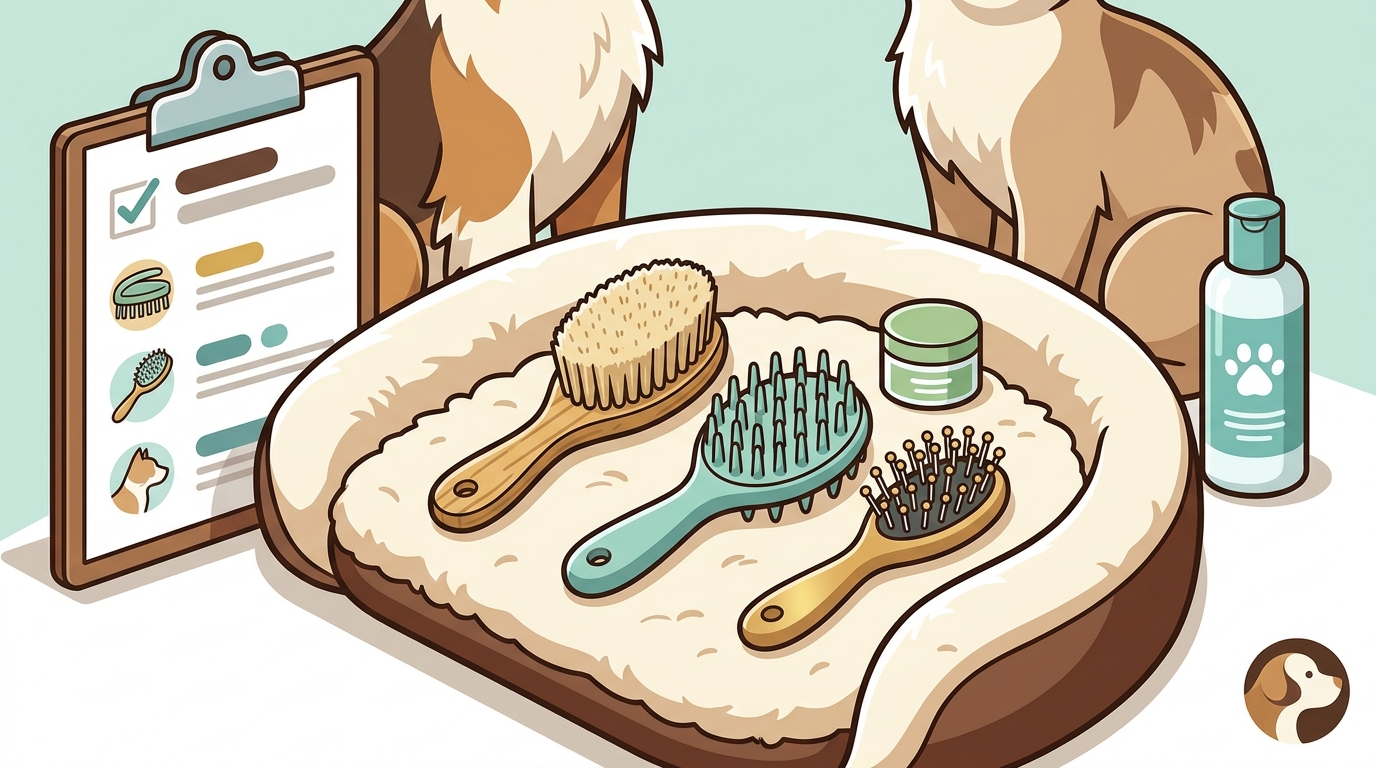
A gentle grooming brush is a specialized tool featuring soft, flexible bristles or rubber nubs that interact with the pet's coat without applying excessive pressure. Unlike rigid slicker brushes or metal combs, these tools prioritize comfort during the grooming session. This distinction is critical for animals that experience pain or anxiety when touched. For additional details, review the Contact ndash Furry Lives.
Types of Gentle Brushes
- Rubber Grooming Mitts: These fit over the hand and use flexible nubs to lift loose hair. They are excellent for short-haired dogs and cats. For additional details, review the About Us ndash Furry.
- Dual-Sided Brushes: One side typically has softer bristles for sensitive areas, while the other has slightly firmer bristles for thicker coats. For additional details, review the Collections ndash Furry Lives.
When selecting a tool, the material of the bristles matters. Synthetic bristles are often hypoallergenic and easier to clean than natural materials. At Furry Lives Matter, we stock options like the Pet Gentle Groomer Brush, which is designed to be safe for daily use on various coat types.
Why Gentleness Matters
Aggressive grooming can lead to skin inflammation, hair loss, and behavioral issues. A gentle approach ensures that the pet associates grooming with positive interaction rather than pain. This is particularly important for cats, which are more prone to stress during handling. Using a tool that mimics the sensation of a pet's own licking can help desensitize them to the process.
Grooming Strategies for Sensitive Skin
Sensitive skin grooming is the practice of maintaining coat health while minimizing physical and chemical irritation to the epidermis. Pets with sensitive skin may exhibit redness, flaking, or itching after standard grooming. Addressing these issues requires a combination of the right tools, frequency adjustments, and environmental factors.
Identifying Sensitive Skin
Techniques for Cats and Dogs
Cats and dogs have different coat structures and tolerance levels. For cats, use short, light strokes in the direction of hair growth. Avoid the belly and neck areas if the cat shows signs of discomfort. For dogs, you can use slightly longer strokes, but always monitor for flinching. Start with the least sensitive areas, such as the back, and work your way to more sensitive zones like the paws and ears.
Frequency and Maintenance
Over-grooming can be as damaging as under-grooming. For sensitive skin, limit sessions to 5-10 minutes per day or 2-3 times per week. After each session, clean the brush thoroughly to remove trapped hair and debris. This prevents the buildup of bacteria that could irritate the skin during the next use. Regular cleaning also ensures the bristles remain flexible and effective.
Key Takeaways
- Rubber grooming mitts are often the safest starting point for pets with extreme sensitivity.
- Always groom in the direction of hair growth to prevent pulling and discomfort.
- Limit grooming sessions to short durations to avoid over-stimulating sensitive skin.
- Clean your brush after every use to prevent bacterial buildup and maintain bristle flexibility.
- Consult a veterinarian if your pet shows persistent signs of redness, hair loss, or itching.
- Choose hypoallergenic synthetic bristles to minimize the risk of allergic reactions.
- Positive reinforcement, such as treats, helps pets associate grooming with a pleasant experience.
Frequently Asked Questions
Can I use the same brush for my cat and dog?
Yes, provided the brush is designed to be gentle. Look for tools with soft, flexible bristles that do not dig into the skin. However, it is best to keep separate brushes for each pet to prevent the spread of parasites or bacteria.
How often should I groom a pet with sensitive skin?
For most pets with sensitive skin, 2 to 3 times per week is sufficient. Daily grooming may be too much for some animals. Monitor your pet's reaction and adjust the frequency accordingly.
What should I do if my pet hates being brushed?
Start with very short sessions and use high-value treats. Use a rubber grooming mitt, which feels more like a massage than a brush. If the pet remains stressed, consult a professional groomer or veterinarian for behavior modification advice.
Are rubber grooming mitts better than bristle brushes?
Rubber mitts are generally gentler and better for short-haired pets or those with extreme sensitivity. Bristle brushes are more effective for long-haired pets but must be of high quality to avoid irritation.
How do I clean a gentle grooming brush?
Use a comb to remove trapped hair from the bristles. Wash the brush with mild soap and warm water, then let it air dry completely. Avoid using harsh chemicals that could damage the bristles or irritate the pet's skin.
Can grooming help with shedding?
Yes, regular gentle grooming removes loose undercoat hair before it falls out. This reduces shedding around the house and prevents matting, which can pull on sensitive skin.