
Choosing the Right Gentle Grooming Brush for Sensitive Pets
For pet owners seeking a solution for both cats and dogs with sensitive skin, a dual-purpose gentle grooming brush is the ideal choice. These tools are specifically engineered with soft bristles and ergonomic handles to minimize friction and irritation. This guide explores the mechanics of gentle grooming and provides a comprehensive framework for selecting the right equipment to maintain your pet's coat health without causing discomfort. For additional details, review the Contact ndash Furry Lives.
Gentle Grooming Brushes
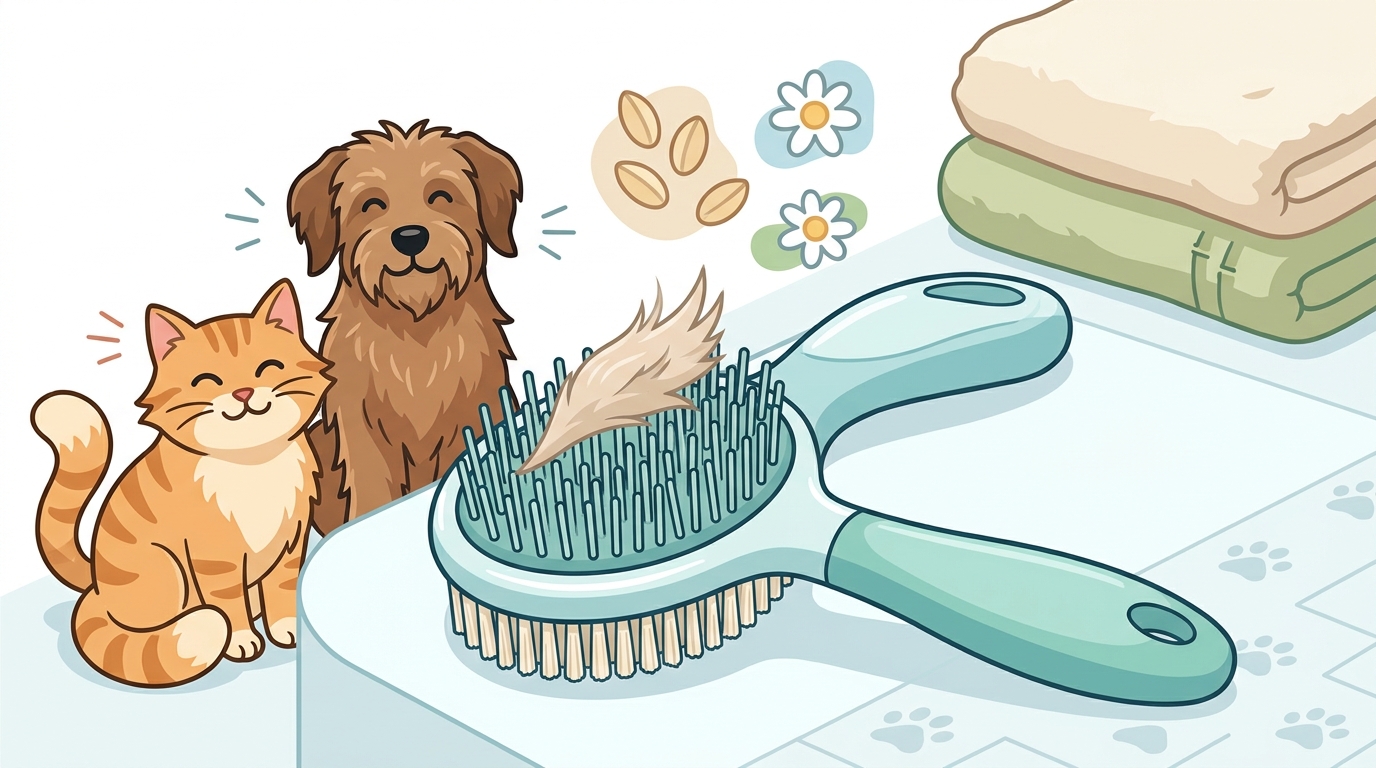
A gentle grooming brush is a specialized tool designed to remove loose hair and distribute natural oils without applying excessive pressure to the skin. Unlike standard slicker brushes or metal combs, these brushes utilize soft, flexible bristles that bend upon contact with the pet's coat. This flexibility is the primary mechanism that prevents micro-abrasions on sensitive skin. For multi-pet households, a single gentle brush can often serve both a dog and a cat, provided the bristle density is appropriate for both coat types. For additional details, review the About Us ndash Furry.
Types of Gentle Brushes
Material Considerations
The material of the brush head is critical for pets with allergies or skin conditions. Synthetic bristles are generally hypoallergenic and easy to clean, making them a top choice for sensitive pets. Natural materials, such as boar bristle, can be effective but may harbor bacteria if not cleaned rigorously. When selecting a brush, prioritize materials that are non-porous and resistant to moisture retention. This helps prevent the growth of mold or bacteria that could exacerbate skin issues. For additional details, review the Collections ndash Furry Lives.
Sensitive Skin Grooming
Sensitive skin grooming is the practice of maintaining a pet's coat and skin health while avoiding triggers that cause inflammation or irritation. This approach requires a careful selection of tools and techniques that prioritize comfort over speed. Pets with sensitive skin often exhibit signs of discomfort, such as flinching, licking, or hiding during grooming sessions. Understanding these signals is essential for building trust and ensuring a positive experience. The goal is to create a routine that the pet associates with relaxation rather than stress. For additional details, review the Products ndash Furry Lives.
Identifying Sensitive Skin
Techniques for Minimizing Irritation
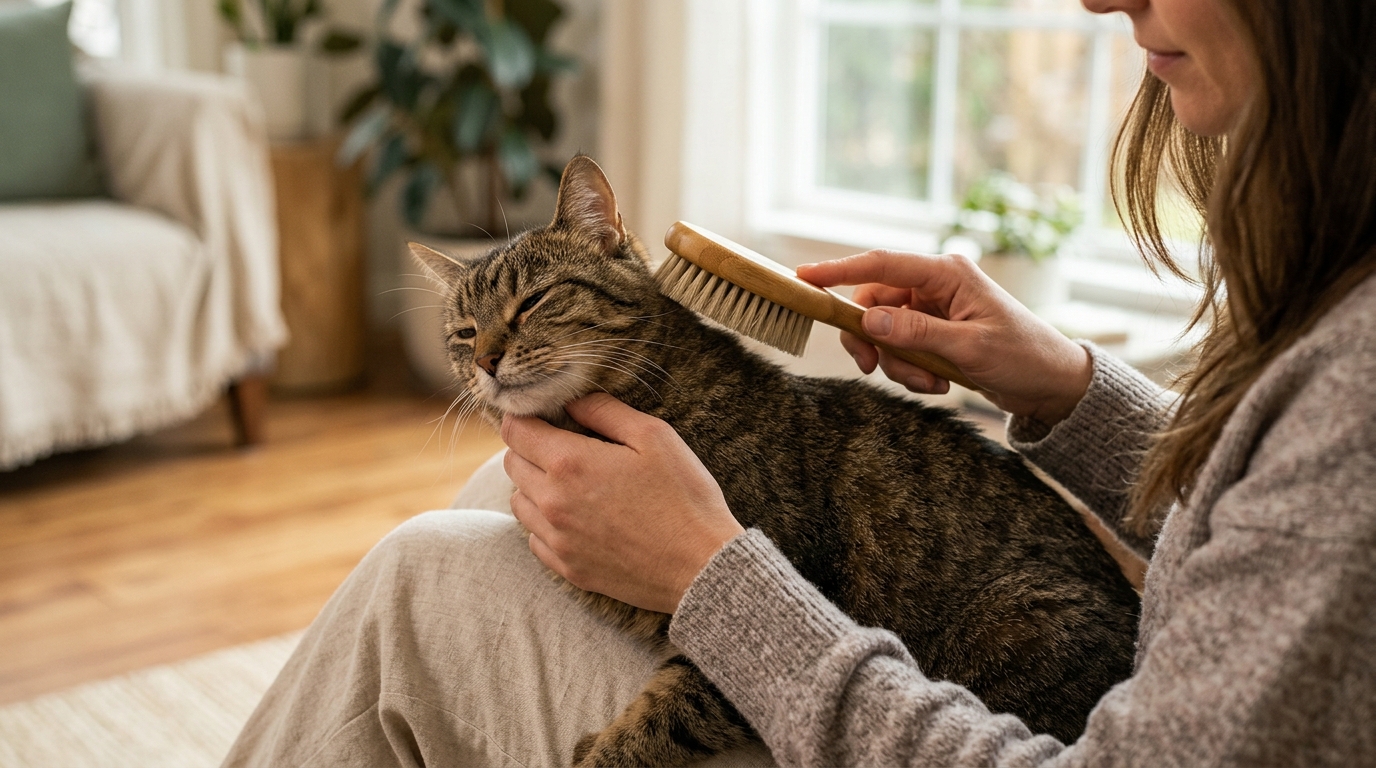
When grooming a pet with sensitive skin, use long, slow strokes in the direction of hair growth. Avoid pressing the brush against the skin, as this can cause friction burns. Start with short sessions and gradually increase the duration as your pet becomes more comfortable. Use a gentle touch and speak in a calm voice to help your pet relax. If your pet shows signs of distress, stop the session and try again later. Consistency is key to building a positive association with grooming.
Comparison of Grooming Tools
| Tool Type | Best For | Sensitivity Level | Cleaning Difficulty |
|---|---|---|---|
| Rubber Mitt | Short coats, massage | Low | Easy |
| Soft-Bristle Brush | All coat types, daily use | Very Low | Moderate |
| Flexible Pin Brush | Long coats, detangling | Low | Moderate |
| Standard Slicker Brush | Mat removal | High | Difficult |
Key Takeaways
- A gentle grooming brush is defined by its soft, flexible bristles that minimize friction on the skin.
- Sensitive skin grooming requires a focus on comfort, using long, slow strokes and short sessions.
- Synthetic bristles are often the best choice for pets with allergies or skin conditions.
- Multi-pet households can use a single gentle brush for both cats and dogs if the bristle density is appropriate.
- Always observe your pet for signs of distress and stop the session if they become uncomfortable.
- Regular grooming helps distribute natural oils and keeps the coat healthy, reducing the need for frequent baths.
- Consult a veterinarian if you notice persistent skin irritation or changes in your pet's behavior.
Frequently Asked Questions
Can I use the same brush for my cat and dog?
Yes, a gentle grooming brush with soft, flexible bristles can often be used for both cats and dogs. However, ensure the bristle density is appropriate for both coat types. A brush that is too dense may irritate a cat's skin, while a brush that is too sparse may not be effective for a dog's thicker coat.
How often should I groom a pet with sensitive skin?
The frequency depends on your pet's coat type and skin condition. For most pets with sensitive skin, grooming two to three times a week is sufficient. Start with shorter sessions and gradually increase the duration as your pet becomes more comfortable. Always monitor your pet's skin for signs of irritation after each session.
What should I do if my pet hates grooming?
If your pet hates grooming, start with very short sessions and use positive reinforcement, such as treats and praise. Gradually increase the duration as your pet becomes more comfortable. You can also try different types of brushes to find one that your pet tolerates best. If your pet remains distressed, consult a professional groomer or veterinarian for advice.
Are rubber grooming mitts effective for sensitive skin?
Yes, rubber grooming mitts are often very effective for pets with sensitive skin. They provide a massage-like experience that can help relax your pet while removing loose fur. The soft rubber surface is gentle on the skin and easy to clean. They are a great option for pets that are anxious about traditional brushes.
How do I clean a gentle grooming brush?
To clean a gentle grooming brush, remove any loose hair and wash the brush with warm, soapy water. Rinse thoroughly and allow it to air dry completely before storing. Avoid using harsh chemicals or abrasive cleaners, as these can damage the bristles. Regular cleaning helps prevent the buildup of bacteria and keeps the brush hygienic.
Can grooming help with shedding?
Yes, regular grooming can significantly reduce shedding by removing loose hair before it falls onto your furniture or clothing. This is especially beneficial for pets with double coats, which shed heavily during seasonal changes. Using a gentle brush helps remove the undercoat without irritating the skin, making it a safe and effective way to manage shedding.