
Why Maintenance Matters for Plush Beds
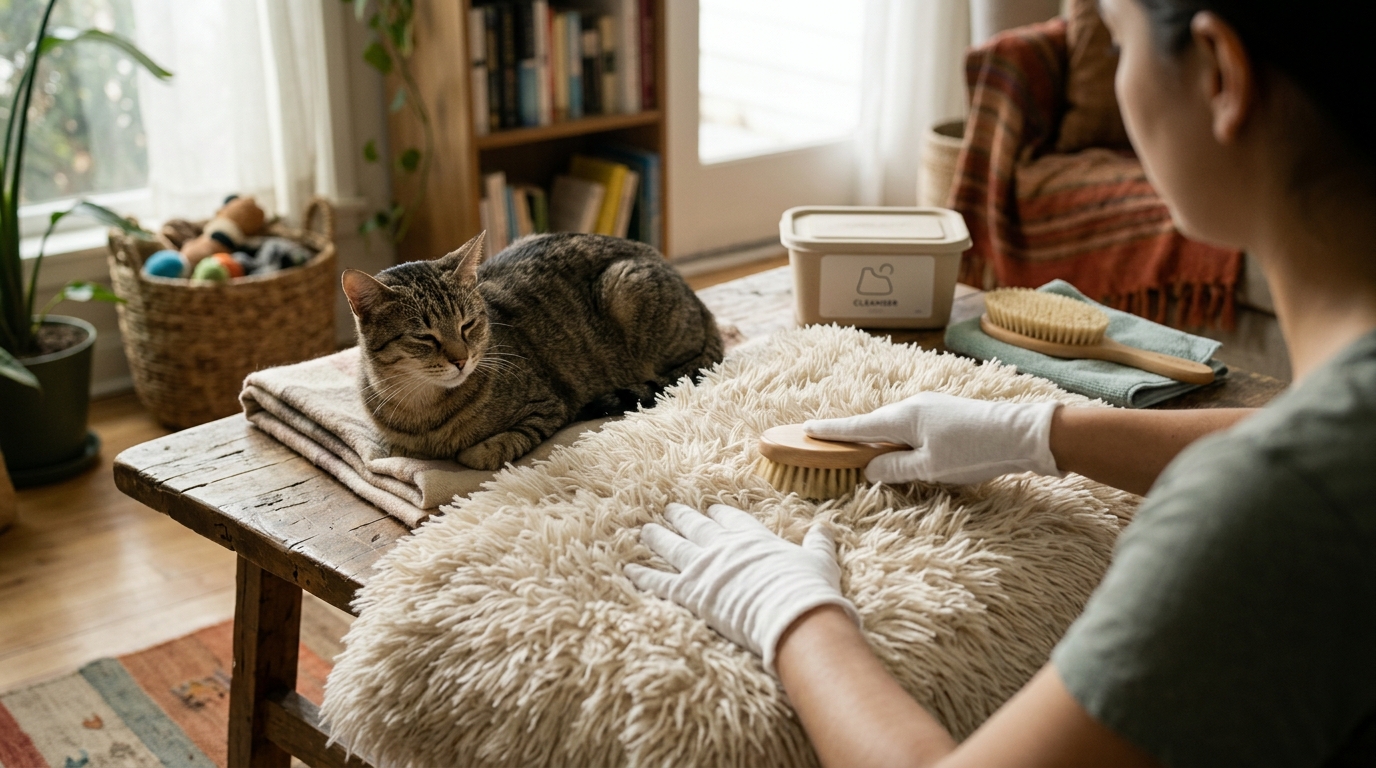
Plush cat beds are soft and inviting, but their dense fibers trap hair, dander, and dust mites. Without regular cleaning, these materials can harbor allergens that affect both pets and humans. A plush cat bed is a textile product that requires specific care to maintain its structural integrity and hygiene. Neglecting this care leads to premature wear and unpleasant odors. For additional details, review the Collections ndash Furry Lives.
The Impact of Feline Grooming
Cats groom themselves frequently, spreading saliva and oils across their fur. When they sleep on a plush surface, these residues transfer to the fabric. Over time, this buildup can cause the material to feel stiff or develop a musty smell. Regular maintenance prevents these issues before they become permanent. For additional details, review the FAQ ndash Furry Lives.
Daily and Weekly Cleaning Routines
Consistent, low-effort cleaning is the foundation of a fresh-smelling bed. Daily tasks take only a few minutes and prevent heavy buildup. Weekly deep cleans address deeper layers of debris. This routine ensures the bed remains inviting for your cat at all times.
Daily Vacuuming
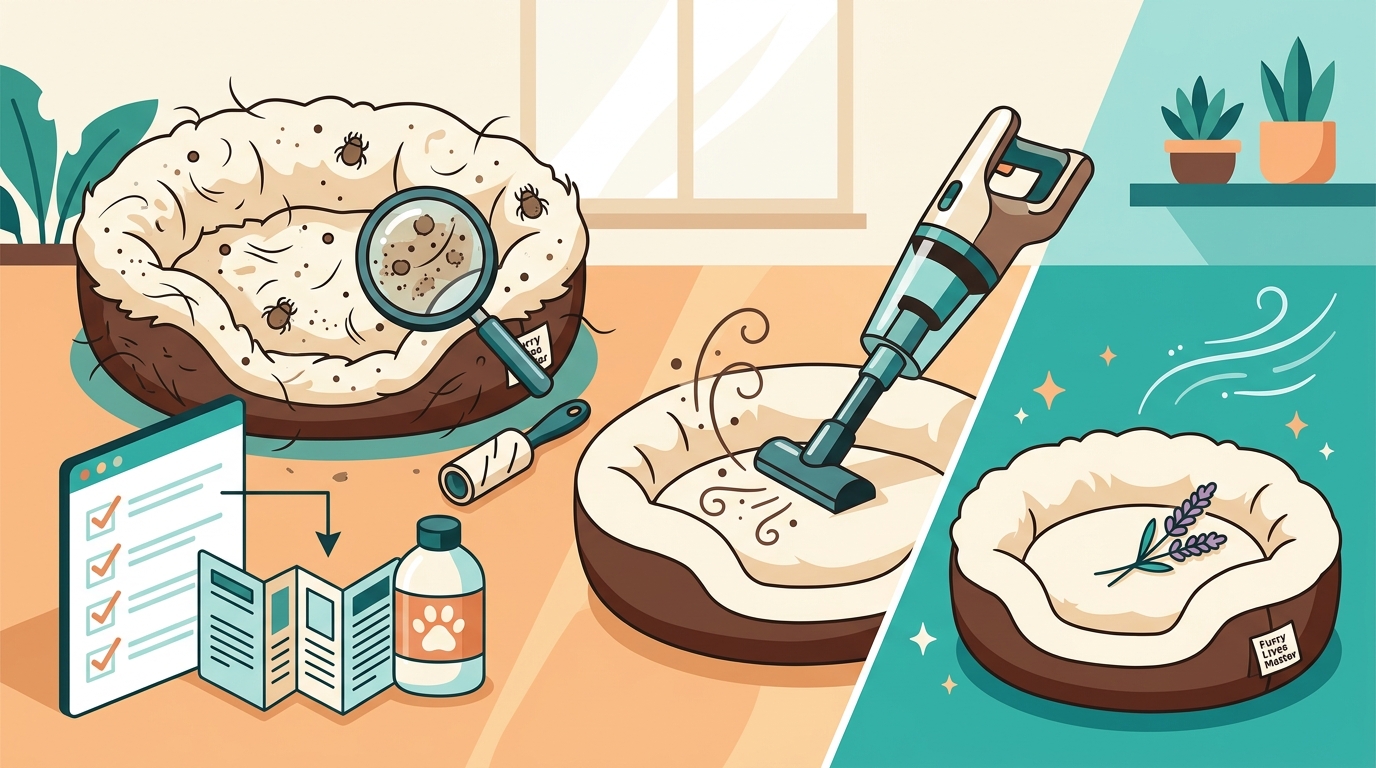
Use a vacuum cleaner with a pet hair attachment to remove loose fur and debris. Focus on the seams and edges where hair tends to accumulate. This simple step prevents matting and keeps the surface smooth. A dedicated pet vacuum is ideal for this task.
Weekly Spot Cleaning
Check for visible stains or accidents and treat them immediately. Use a mild, pet-safe detergent diluted in water. Blot the area gently; do not rub, as this can damage the plush fibers. Allow the spot to air dry completely before letting your cat return to the bed.
Machine Washing Guide for Plush Fabrics
Machine washing is the most effective way to remove deep-seated dirt and odors. However, incorrect washing can ruin the shape and softness of the bed. Always check the care label on your specific product. Most affordable plush beds are designed to be machine washable, but they require gentle handling.
Choosing the Right Cycle
Use a gentle or delicate cycle with cold water. Hot water can shrink synthetic fibers and cause the filling to clump. Select a low spin speed to prevent excessive agitation. This approach preserves the loft and comfort of the bed.
Detergent Selection
Use a mild, fragrance-free detergent. Strong chemicals and heavy fragrances can irritate a cat's sensitive skin and respiratory system. Avoid fabric softeners, as they coat the fibers and reduce absorbency. A small amount of white vinegar in the rinse cycle can help neutralize odors naturally.
Drying and Storage Best Practices
Proper drying is critical to preventing mold and mildew. Plush materials take longer to dry than standard towels or sheets. Trapped moisture inside the filling can lead to bacterial growth. Always ensure the bed is completely dry before use or storage.
Air Drying vs. Tumble Drying
Air drying is the safest method for most plush beds. Lay the bed flat on a clean surface in a well-ventilated area. If using a dryer, select the lowest heat setting or air-only cycle. Remove the bed immediately when dry to avoid over-drying, which can make fibers brittle.
Storage Tips
If you are not using the bed, store it in a breathable cotton bag. Avoid plastic bags, which trap moisture and encourage mildew. Keep the storage area cool and dry. This ensures the bed remains fresh until it is needed again.
Preventing Odors and Allergens
Odor control is a key aspect of keeping a plush bed fresh. Enzymatic cleaners are highly effective at breaking down organic waste. These products target the source of the smell rather than masking it. Regular use of enzymatic sprays can significantly reduce the frequency of full washes.
Managing Allergens
Dust mites thrive in warm, humid environments. Washing the bed in hot water (if the label permits) can kill dust mites. However, cold water is often safer for the fabric. Using a washable cover can provide an extra layer of protection against allergens. This makes cleaning easier and more frequent.
Key Takeaways
- Vacuum your plush cat bed daily to remove loose hair and debris.
- Spot clean stains immediately with a mild, pet-safe detergent.
- Machine wash on a gentle, cold cycle to preserve the fabric.
- Avoid fabric softeners and use a small amount of vinegar for odor control.
- Air dry the bed completely to prevent mold and mildew growth.
- Use enzymatic cleaners to break down organic odors at the source.
- Store the bed in a breathable bag when not in use.
Frequently Asked Questions
How often should I wash a plush cat bed?
Wash a plush cat bed every two to four weeks, depending on how often your cat uses it. Daily vacuuming and weekly spot cleaning can extend the time between full washes. Always follow the care instructions on the product label.
Can I use fabric softener on a cat bed?
No, you should avoid fabric softeners. They coat the fibers and can irritate your cat's skin. They also reduce the absorbency of the fabric, making it harder to clean in the future.
What is the best way to remove cat hair from a plush bed?
Use a vacuum cleaner with a pet hair attachment. A lint roller can also be effective for quick touch-ups. Regular vacuuming prevents hair from embedding deeply into the fabric.
Is it safe to use hot water to wash a plush bed?
Hot water can shrink synthetic fibers and damage the filling. Use cold water unless the care label explicitly states that hot water is safe. Cold water is generally the safest option for plush materials.
How do I prevent my cat bed from smelling?
Use an enzymatic cleaner to break down organic odors. Ensure the bed is completely dry after washing. Air drying in a well-ventilated area helps prevent mildew and musty smells.
Can I dry a plush cat bed in a dryer?
You can use a dryer on the lowest heat setting or air-only cycle. Remove the bed immediately when dry to avoid over-drying. Air drying is often the safest method to preserve the shape of the bed.
What type of detergent is best for pet beds?
Use a mild, fragrance-free detergent. Strong chemicals and heavy fragrances can irritate your pet. A small amount of white vinegar in the rinse cycle can help neutralize odors.
Conclusion
Maintaining a clean and fresh plush cat bed is a manageable task with the right routine. By combining daily vacuuming, spot cleaning, and periodic machine washing, you can keep your pet's resting spot hygienic and comfortable. Furry Lives Matter provides high-quality plush bedding that is designed to withstand this kind of care. Visit the Furry Lives Matter shop to find a durable bed that fits your home and your cat's needs.