
Machine Washable Features
Removable Covers and Zippers
Washing Instructions and Care
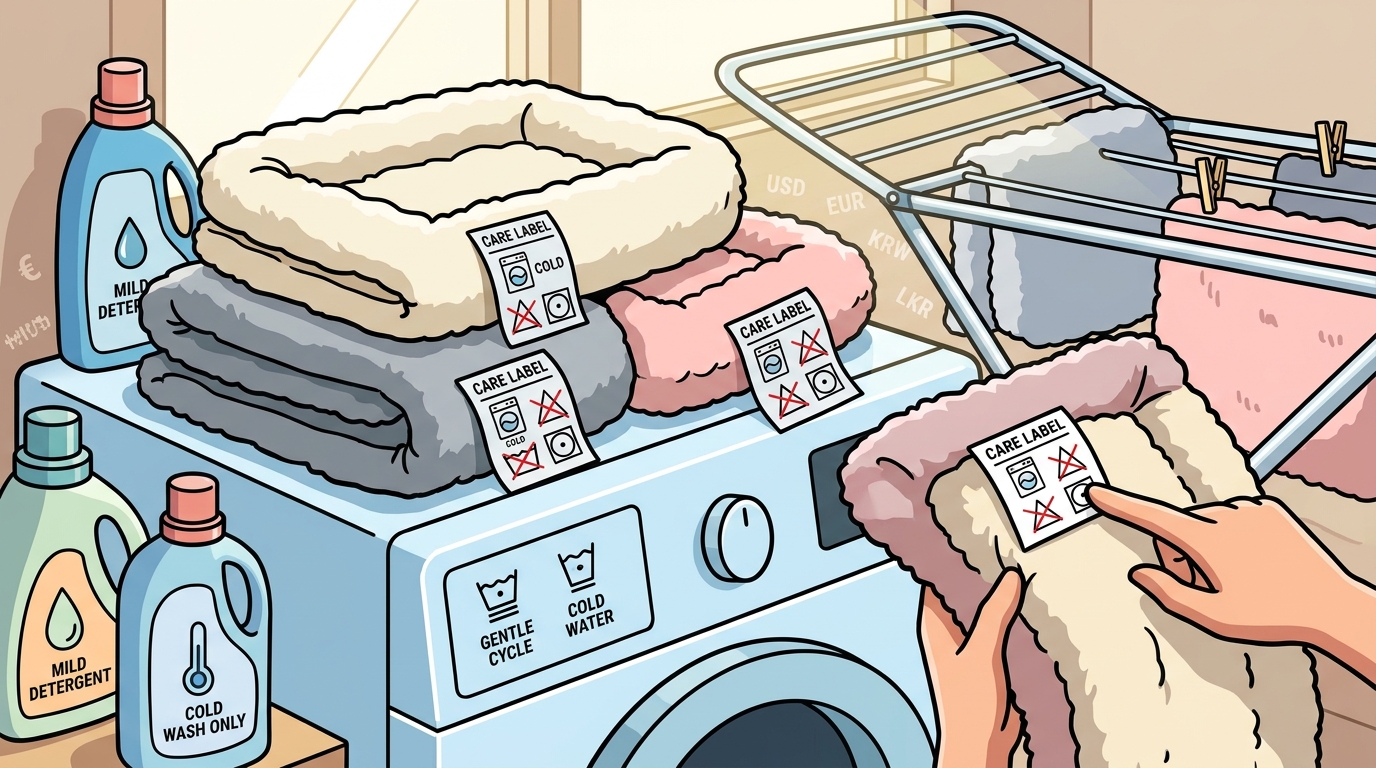
Always check the care label before purchasing. Most long plush beds should be washed on a gentle cycle with cold water to prevent shrinking or color fading. Avoid using bleach or harsh detergents, as these can degrade the fabric fibers over time. Air drying is generally recommended to preserve the plush texture, although some durable beds can tolerate low-heat tumble drying. Regular washing, ideally once a month, keeps the bed fresh and extends its lifespan significantly. For additional details, review the Contact ndash Furry Lives.
Material Safety and Durability
Material safety is a non-negotiable aspect of pet product selection. A safe pet bed is one constructed from non-toxic, hypoallergenic materials that do not off-gas harmful chemicals. Cats spend a significant portion of their day sleeping, meaning they are in prolonged contact with the bed's fabric. Therefore, the materials must be free from lead, phthalates, and other hazardous substances. For additional details, review the About Us ndash Furry.
Plush Fabric Quality
The outer fabric of a long plush bed should be soft yet resilient. High-density plush fabrics resist pilling and matting, which are common issues with cheaper alternatives. Pilling occurs when fibers break and form small balls on the surface, making the bed look worn and feel less comfortable. Investing in a bed with a tightly woven plush exterior ensures that it maintains its aesthetic appeal and tactile comfort over time. For additional details, review the Collections ndash Furry Lives.
Inner Filling and Support
The inner filling determines the bed's longevity and comfort. Memory foam is a popular choice because it contours to the cat's body, providing pressure relief. However, for long plush beds, high-resilience foam or polyester fiberfill is often used to maintain the elongated shape. The filling should be encased in a durable inner sleeve to prevent shifting or clumping. This structural integrity ensures that the bed does not flatten out after a few weeks of use. For additional details, review the Products ndash Furry Lives.
Ergonomic Design for Stretching
Cats have a unique sleeping behavior that involves full-body stretching. A long plush cat bed is a sleeping surface specifically designed to accommodate this natural extension, allowing the cat to stretch from nose to tail. This ergonomic design is crucial for joint health, particularly for older cats or those with arthritis. By providing ample space, the bed reduces the need for awkward positioning that can strain muscles and joints.
Size and Dimensions
When selecting a long bed, consider the size of your cat. A standard long plush bed typically measures between 30 and 40 inches in length. For larger breeds like Maine Coons, a bed on the longer end of this spectrum is ideal. Ensure the width is sufficient to allow the cat to turn around comfortably. A bed that is too narrow may force the cat to sleep in a curled position, defeating the purpose of the elongated design.
Placement and Accessibility
The placement of the bed also impacts its utility. Cats often prefer elevated or quiet spots for sleeping. A long plush bed should be placed in a low-traffic area where the cat feels secure. If your cat is senior or has mobility issues, consider placing the bed on the ground level to avoid the need for jumping. The design should be stable enough to prevent tipping or sliding when the cat jumps on or off.
Comparison of Bed Types
Understanding the differences between various bed types helps in making an informed decision. The table below compares long plush beds with other common cat bed styles, highlighting their pros and cons.
| Bed Type | Best For | Pros | Cons |
|---|---|---|---|
| Long Plush Bed | Stretching, large cats | Accommodates full-body stretch, soft, machine-washable | May take up more floor space |
| Round Tunnel Bed | Security, hiding | Enclosed feel, protects from drafts | Not suitable for full stretching |
| Self-Warming Bed | Cold environments | Reflects body heat, no electricity needed | Less durable, limited washing options |
Each bed type serves a specific need. For cats that prioritize stretching and comfort, the long plush bed is often the superior choice. It combines the softness of plush materials with the ergonomic benefits of an elongated shape. This makes it a versatile option for a wide range of cats, from kittens to seniors.
Key Takeaways
- Look for non-toxic, hypoallergenic materials to ensure your cat's safety during prolonged contact.
- High-density plush fabrics resist pilling and maintain softness over time.
- Choose a size that accommodates your cat's full length, especially for larger breeds.
- Regular washing on a gentle cycle with cold water preserves the bed's integrity.
- Placement in a quiet, secure area enhances the cat's sense of safety and comfort.
- Compare bed types to match the specific needs of your cat, such as security or support.
Frequently Asked Questions
How often should I wash my cat's long plush bed?
It is recommended to wash the bed cover once a month, or more frequently if your cat sheds heavily or has accidents. Regular washing prevents the buildup of dander, hair, and allergens, ensuring a healthy sleeping environment.
Are long plush beds suitable for kittens?
Yes, long plush beds are suitable for kittens, although they may not use the full length initially. As the kitten grows, the bed will accommodate its increasing size. Ensure the bed is stable and free from small detachable parts that could pose a choking hazard.
Can I use a dryer for my plush cat bed?
Check the care label first. Many plush beds can be tumble dried on low heat, but air drying is safer to prevent damage to the fabric and filling. If you use a dryer, remove the bed promptly to avoid over-drying.
What is the best material for a cat bed cover?
High-density plush or microfiber are excellent choices for cat bed covers. These materials are soft, durable, and easy to clean. Avoid materials that are prone to pilling or that trap odors, as these can reduce the bed's comfort and hygiene.
How do I prevent my cat from scratching the bed?
Provide alternative scratching surfaces, such as scratching posts or pads, near the bed. Regular nail trimming can also help reduce scratching. If your cat continues to scratch the bed, consider a bed with a more durable fabric or a protective cover.
Are long plush beds good for multi-cat households?
Yes, long plush beds are ideal for multi-cat households. Each cat should have its own bed to avoid territorial disputes. Placing multiple long beds in different areas of the home ensures that each cat has a private, comfortable space to rest.
How do I choose the right size for my cat?
Measure your cat from nose to tail while it is stretched out. Choose a bed that is at least as long as your cat, with a few extra inches for comfort. For larger breeds, opt for a bed on the longer end of the spectrum to ensure adequate space.
Can I use a long plush bed for a dog?
While some small dogs may use a long plush cat bed, it is generally designed for cats. Dogs have different sleeping behaviors and may require a more durable or larger bed. If you plan to use the bed for a dog, ensure it is sturdy enough to withstand their weight and activity level.