
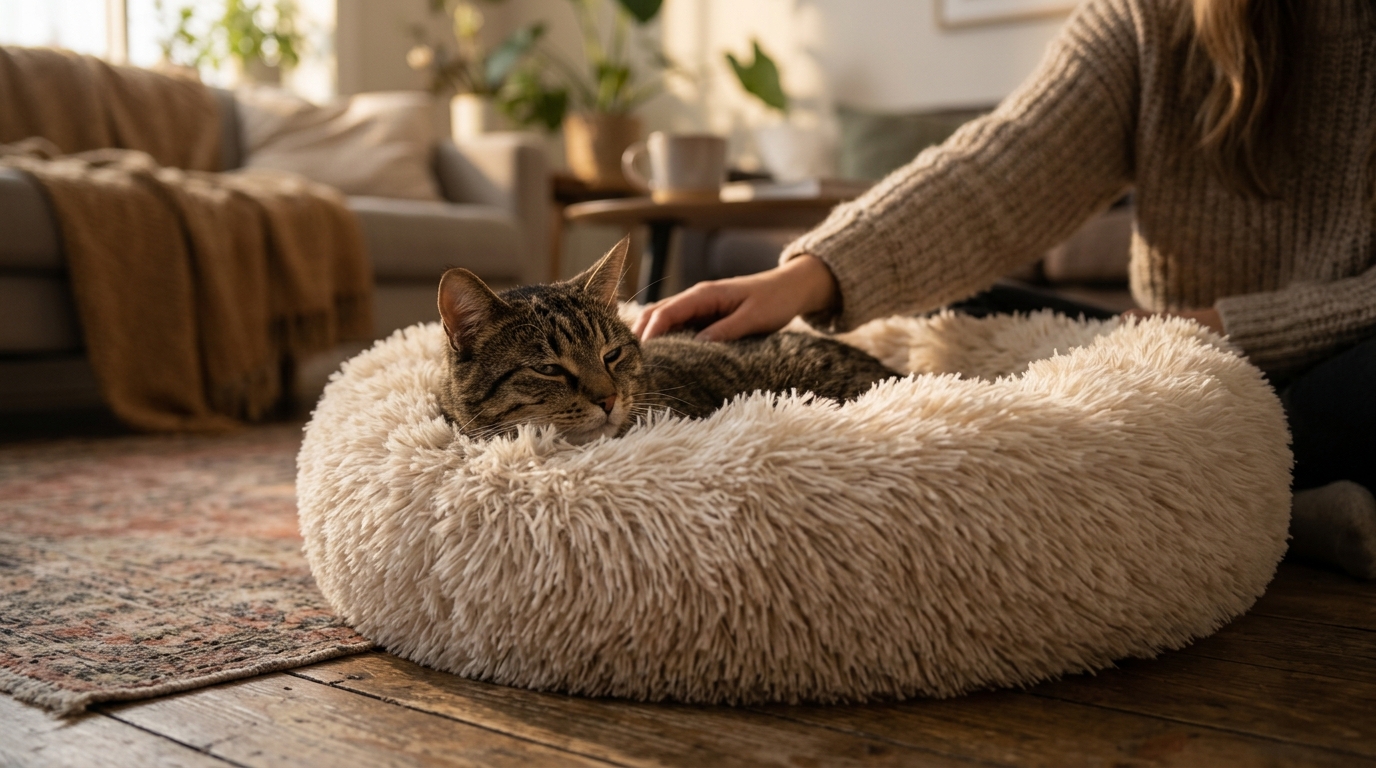
Machine Washable Features
Why Washability Matters
Cats groom themselves frequently, but they also shed hair and accumulate environmental dust. Without regular deep cleaning, these elements can lead to skin irritations or respiratory issues. A washable bed allows you to maintain strict hygiene standards without the hassle of hand washing large, heavy items. For additional details, review the Your Shopping Cart ndash.
Choosing the Right Cycle
When washing a plush bed, always check the care label. Most affordable plush beds are best washed on a gentle or delicate cycle with cold water. This prevents the filling from clumping and the fabric from pilling. Avoid using bleach or harsh detergents, as these can degrade the plush material over time. For additional details, review the .
Drying Considerations
Proper drying is just as important as washing. Air drying is the safest method for most plush beds, as high heat can damage the synthetic fibers. If you use a dryer, select a low-heat or air-only setting. Removing the bed from the dryer while slightly damp can help prevent over-drying and maintain the softness of the plush exterior. For additional details, review the Customer Experience.
Sizing and Comfort
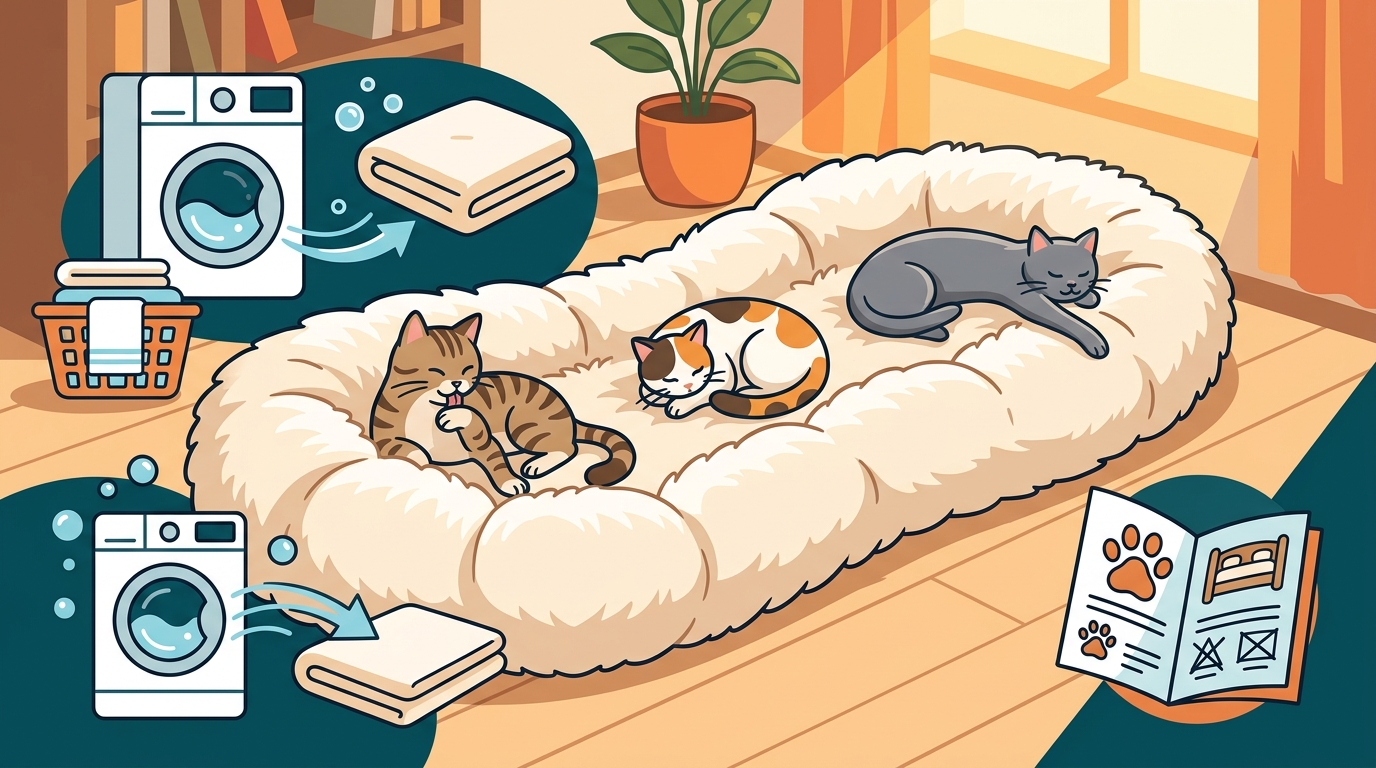
The dimensions of a cat bed directly impact your pet's ability to sleep comfortably. A long plush cat bed is a rectangular or elongated sleeping surface that provides ample room for a cat to stretch out fully. This shape is particularly beneficial for cats that prefer to sleep in a loaf position or stretch their legs out. For additional details, review the Frequently Asked Questions.
Measuring Your Cat
To determine the right size, measure your cat from the tip of their nose to the base of their tail. Add a few inches to this measurement to ensure they have enough room to move around. For larger breeds or cats that like to sprawl, a bed at least 20 to 24 inches in length is ideal.
Shape and Support
Placement and Accessibility
Where you place the bed also affects comfort. Cats often prefer elevated spots where they can observe their surroundings. However, if your cat has joint issues, a ground-level bed with a soft, supportive base may be more appropriate. Ensure the bed is placed in a quiet, low-traffic area to minimize disturbances.
Material Quality and Durability
Fabric Selection
Filling Types
Durability Indicators
Check the stitching and seams of the bed. Reinforced stitching prevents the fabric from tearing under the weight of your cat. Additionally, look for beds with removable covers, as these make it easier to replace the outer layer if it becomes worn or stained.
Comparison of Bed Types
| Standard Long Plush | Rectangular shape, soft polyester fill | Cats that stretch out | Machine washable |
| Bolstered Long Plush | Raised edges, supportive bolsters | Cats that need security | Machine washable |
| Removable Cover Plush | Zippered cover, easy to replace | Owners prioritizing hygiene | Very easy |
| Memory Foam Long Plush | Contouring foam, premium feel | Cats with joint issues | Spot clean or machine wash |
Key Takeaways
- Machine washability is essential for maintaining hygiene and removing hair and odors.
- Measure your cat to ensure the bed is long enough for them to stretch comfortably.
- Choose durable fabrics like polyester or microfiber for longevity and easy cleaning.
- Consider raised edges or bolsters for cats that prefer a sense of security.
- Removable covers simplify cleaning and allow for easy replacement of worn layers.
- Place the bed in a quiet, accessible location to minimize sleep disturbances.
- Regular cleaning on a gentle cycle preserves the shape and softness of the bed.
Frequently Asked Questions
How often should I wash my cat's plush bed?
It is recommended to wash your cat's plush bed every two to four weeks, or more frequently if your cat sheds heavily or has allergies. Regular cleaning helps maintain hygiene and prevents the buildup of dander and odors.
Can I use a dryer for my plush cat bed?
Yes, but use a low-heat or air-only setting to prevent damage to the fabric and filling. High heat can cause the fibers to melt or the filling to clump, reducing the bed's comfort and lifespan.
What size bed is best for a large cat?
For large cats, choose a bed that is at least 24 inches in length. This provides enough room for them to stretch out fully and move around comfortably without feeling cramped.
Are plush beds suitable for cats with arthritis?
Plush beds can be suitable, but look for options with memory foam or high-density filling for better support. These materials help cushion joints and reduce pressure points, providing more comfort for cats with arthritis.
How do I prevent my cat from digging in the bed?
Some cats dig in their beds to create a comfortable spot. You can try placing a non-slip mat under the bed or choosing a bed with a firmer base. Additionally, providing a separate scratching post can redirect this behavior.
Is it worth buying a more expensive plush bed?
How do I choose between a round and long plush bed?
Choose a long bed if your cat prefers to stretch out. A round bed is better for cats that curl up. Observe your cat's natural sleeping position to determine the most suitable shape.
Conclusion
Selecting the best affordable long plush cat bed involves considering washability, size, and material quality. By choosing a bed that meets your cat's specific needs, you can ensure they have a comfortable and hygienic place to rest. Furry Lives Matter offers a wide range of high-quality pet essentials, including plush beds that combine affordability with durability. Explore the Furry Lives Matter collection to find the perfect bed for your feline friend and enjoy free express delivery on your order.