
The Value of Personalized Pet Care Advice
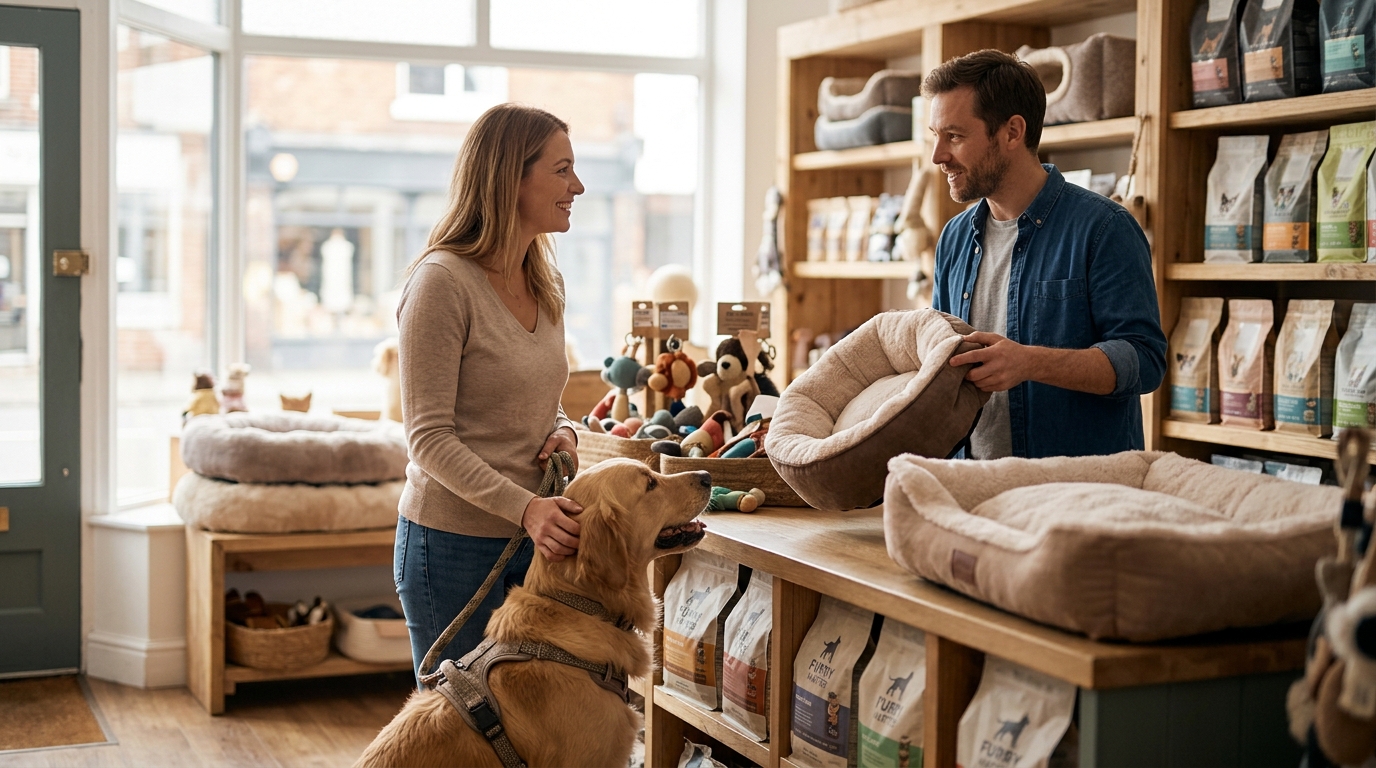
Chain stores typically rely on standardized customer service scripts, which can feel impersonal for complex pet care questions. Independent shops often employ staff with deep, hands-on experience in animal behavior and health. This expertise allows for nuanced recommendations that go beyond simple product sales. For additional details, review the Collections ndash Furry Lives.
Curated Quality Over Mass Market Volume
Large retailers prioritize high-volume, low-cost inventory to maximize shelf space and turnover. Independent boutiques, such as Furry Lives Matter, focus on curation rather than quantity. They select products based on material safety, comfort, and long-term utility for pets.
This approach ensures that every item in the store meets a higher standard of quality. For instance, a local shop might stock a long plush cat bed specifically chosen for its supportive structure and washable cover. The result is a shopping experience where the selection is smaller but significantly more reliable.
Economic Impact on Local Communities
Spending at a local pet shop keeps money within the community, supporting local jobs and other small businesses. Chain retailers often ship goods from centralized distribution centers, meaning a larger portion of the revenue leaves the local area. Supporting independent stores strengthens the local economic ecosystem.
When a customer buys from a neighborhood shop, that business often sources from other local vendors or artisans. This creates a multiplier effect that benefits the entire area. The implication is that pet owners are not just buying supplies; they are investing in the health of their local community.
Flexibility and Customer-Centric Service
Independent pet shops are more agile in responding to customer needs and market trends. They can quickly adjust inventory based on direct feedback from their regulars. Large corporations often have rigid supply chains that make rapid adaptation difficult.
Building Trust Through Transparency
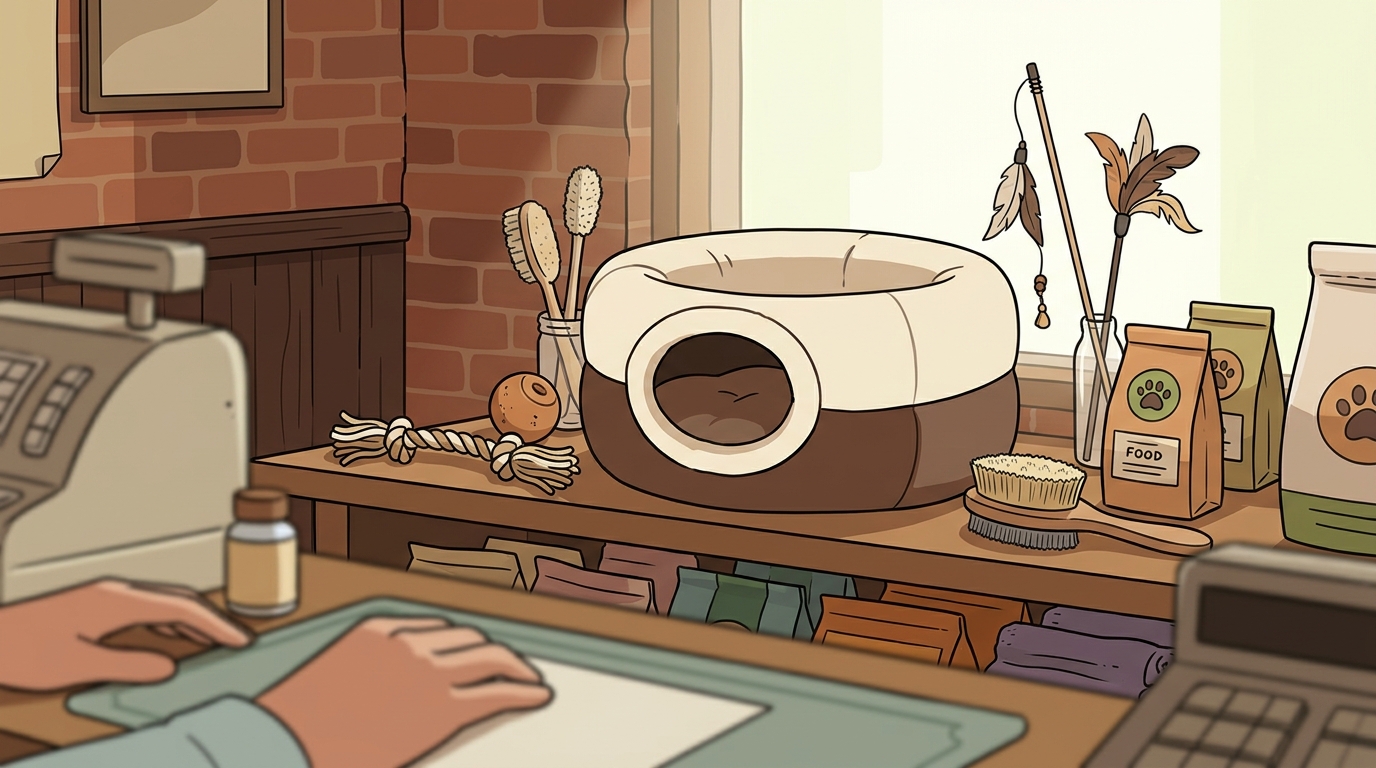
Small businesses often have more transparent operations, allowing customers to understand where their products come from. Owners are frequently accessible for questions about product sourcing and safety standards. This transparency fosters a deeper level of trust compared to faceless corporate entities.
Customers can often speak directly with the owner or manager to resolve issues or ask detailed questions. This direct line of communication ensures that concerns are addressed promptly and personally. The implication is a higher level of customer satisfaction and long-term loyalty.
Key Takeaways
- Local pet shops provide personalized advice that large chains often cannot match.
- Independent boutiques curate higher-quality products, focusing on safety and utility.
- Small businesses are more flexible and responsive to specific customer needs.
- Transparency and direct communication build stronger trust with customers.
Frequently Asked Questions
Why are local pet shops more expensive than big box stores?
Local shops often carry higher-quality, curated products and provide personalized service, which can result in slightly higher prices. However, the value lies in the expertise and product reliability.
Do independent pet shops offer the same products as chains?
How can I find a good local pet shop?
Look for shops with positive online reviews, knowledgeable staff, and a focus on quality products. Visiting the store to assess the atmosphere and ask questions is also helpful.
Are local pet shops more likely to carry unique items?
What is the environmental impact of buying from local pet shops?
Local shops often have a smaller carbon footprint due to shorter supply chains and less packaging waste. They may also prioritize sustainable and eco-friendly products.